
Knife sharpening, by grit and angle
Bring back the edge.
Your knives were sharp the day you bought them. These guides match a sharpener to the knives you own and the effort you'll actually put in, whether that's a whetstone, a guided system or a two-minute electric.
Start with
your knife
The angle matters more than the brand of sharpener. Pick the knife you own, and we'll point you to the right angle and method.
Japanese kitchen knives
Hard, thin steel. Use whetstones or a guided system. Pull-through sharpeners will chip them.
Best for Japanese knives → 20° per sideGerman & everyday kitchen
Softer steel that forgives mistakes. A rolling or electric sharpener is fine here.
Best for kitchen knives → 17–25°Pocket & EDC knives
Small blades and odd shapes. A clamp-style guided system holds the angle for you.
Best for pocket knives → TaperedSerrated knives
Each scallop needs a tapered rod, and they don't need sharpening often.
How to sharpen serrated →The guides people
start with
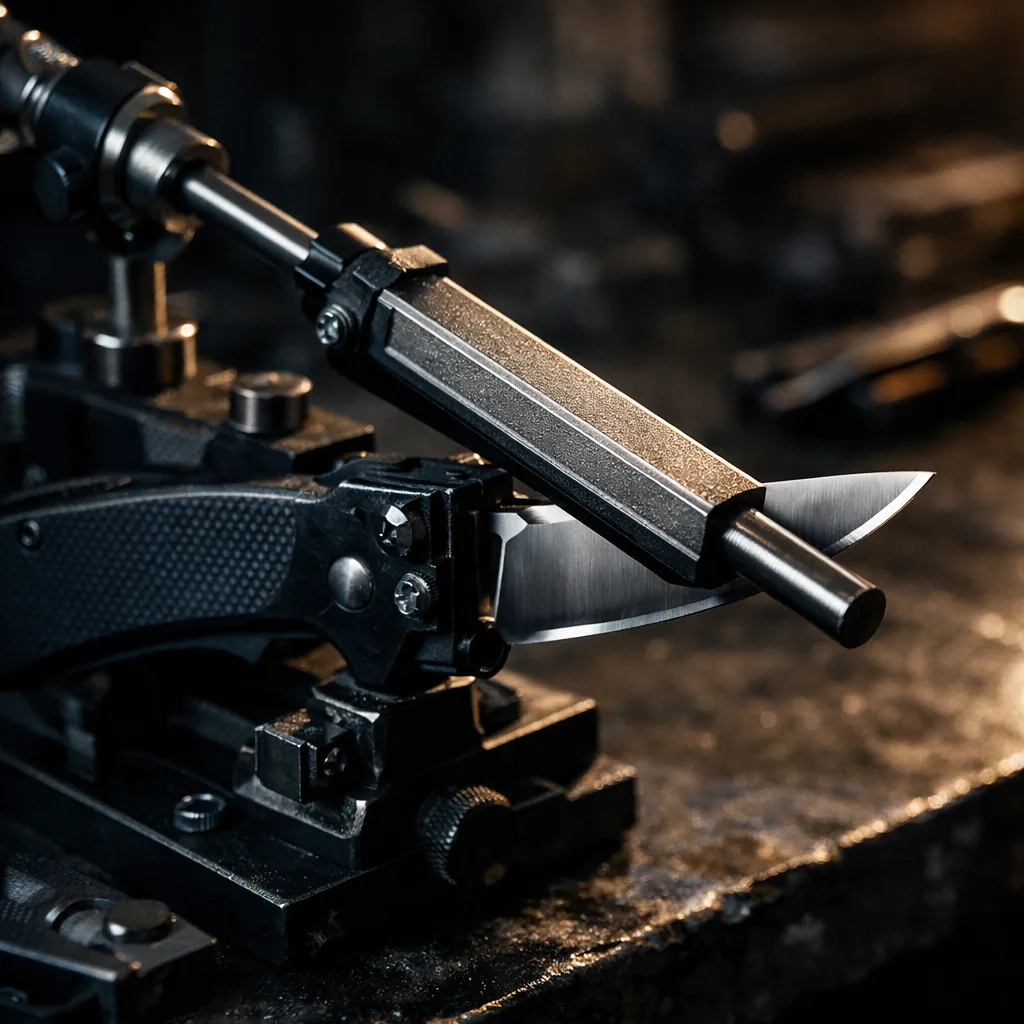
Work Sharp vs Lansky vs Sharpmaker
Three ways to hold a perfect angle without years of practice, and which knives each one suits.
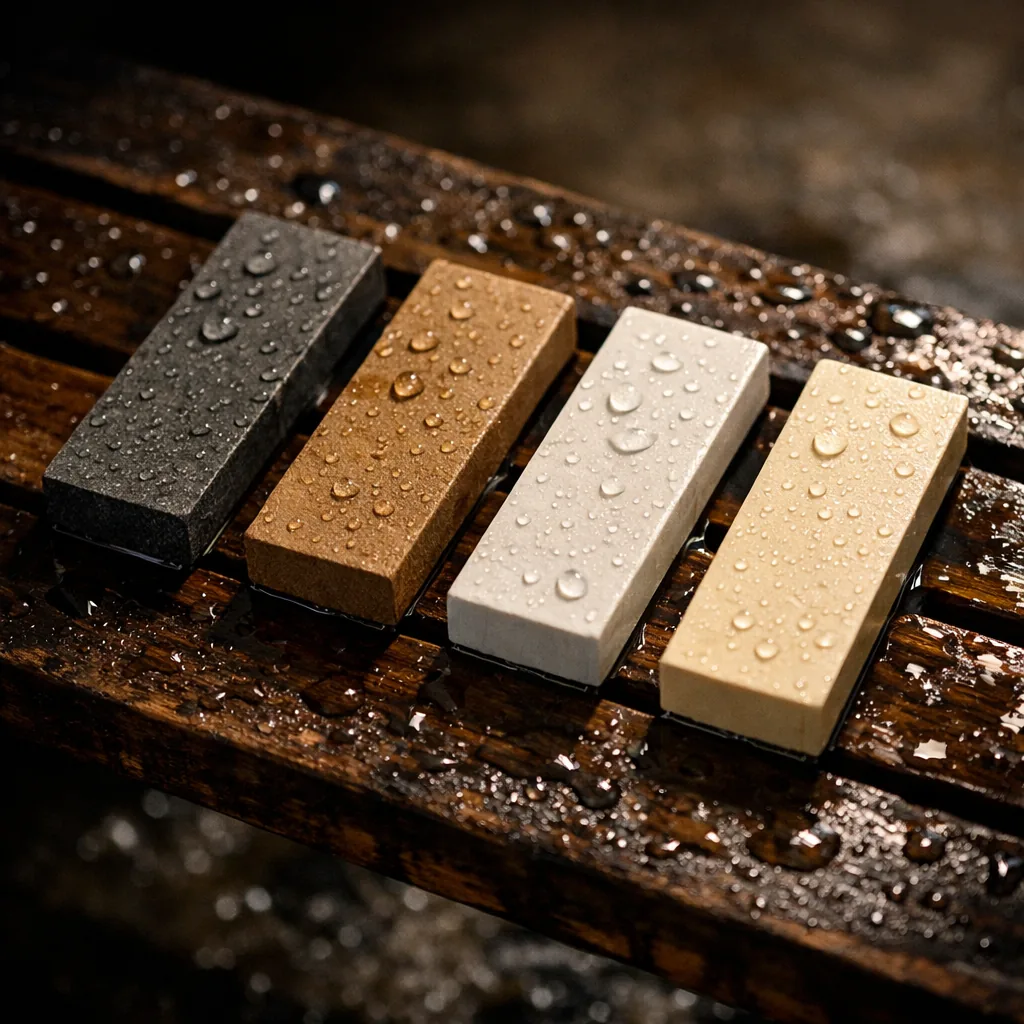
Your first whetstone set
Which two grits to buy first, and which sets to skip.
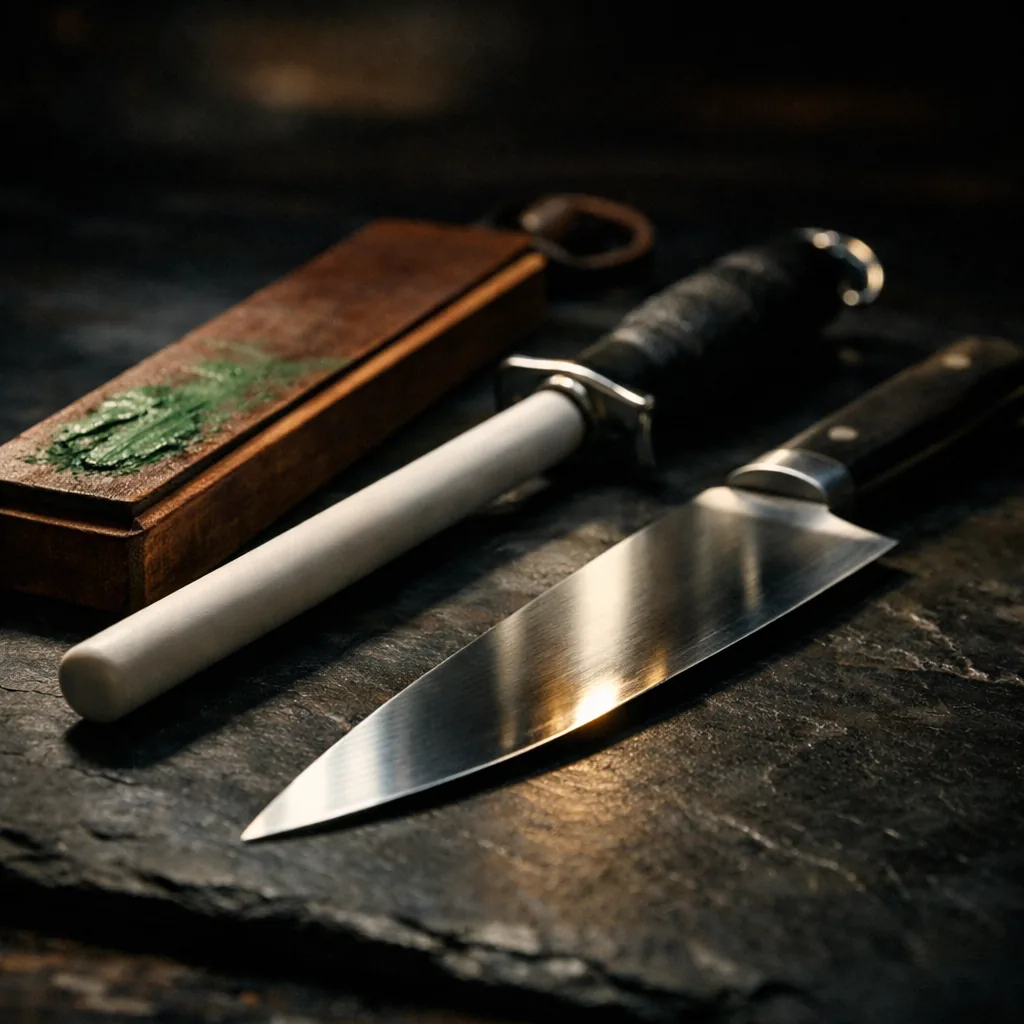
Honing rod vs whetstone
One straightens the edge and the other grinds a new one. How to tell which your knife needs.
Head to head
Most people are choosing between two specific sharpeners. These comparisons cover that decision.
We don't quote prices we haven't checked.
- Matched to your knives. Every recommendation starts with the steel and angle you're sharpening.
- Who should skip it. Each pick says who it's wrong for, not just who it suits.
- How we earn money. We earn a small commission when you buy through our Amazon links. It doesn't change what we recommend.