Angles guides
Sharpening angles by knife type, with charts and the reasoning behind them.
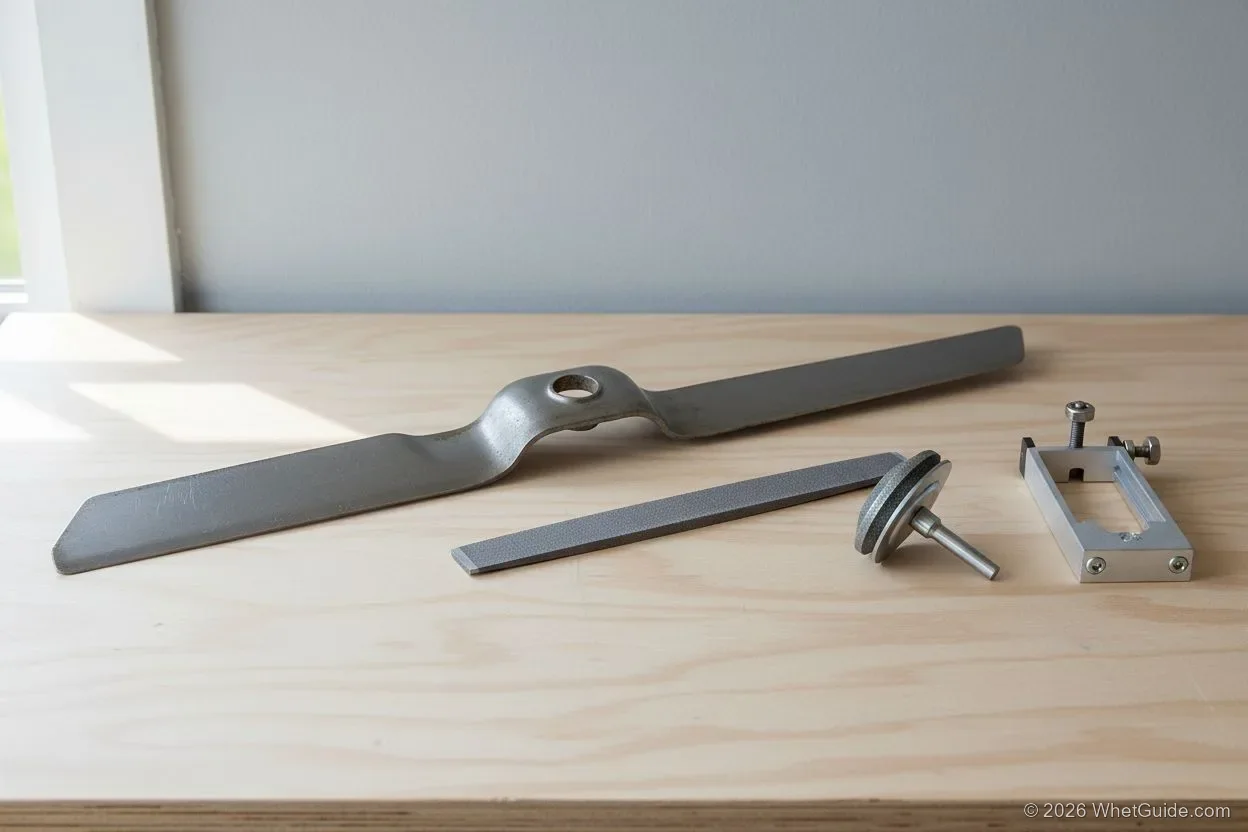 The best lawn mower blade sharpener for your mower and your garageFor most home lawns the best lawn mower blade sharpener is a 12 inch mill bastard file and a vise: it fixes nicks, can't overheat the steel and costs less than one shop visit. Already own an angle grinder? Add a 15 to 45 degree jig. Sharpening for several mowers? Buy a dedicated blade grinder. Whatever you pick, add a cone balancer.
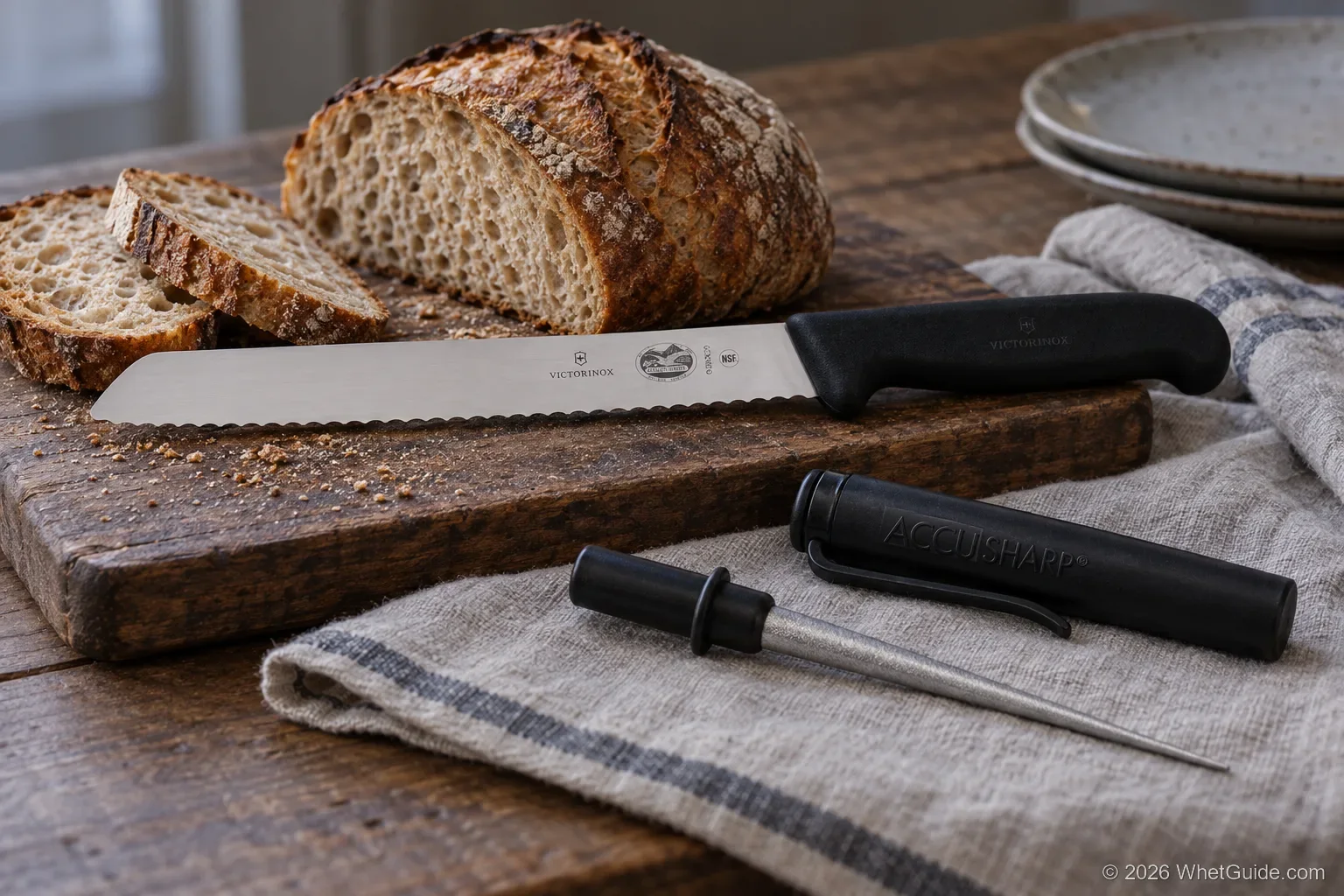 How to sharpen a bread knife (and how to tell whether you should)A bread knife stays sharp for years, so first make sure it is dull. Then match a tapered rod to the serrations, sharpen the beveled side, and take the burr off the flat back.
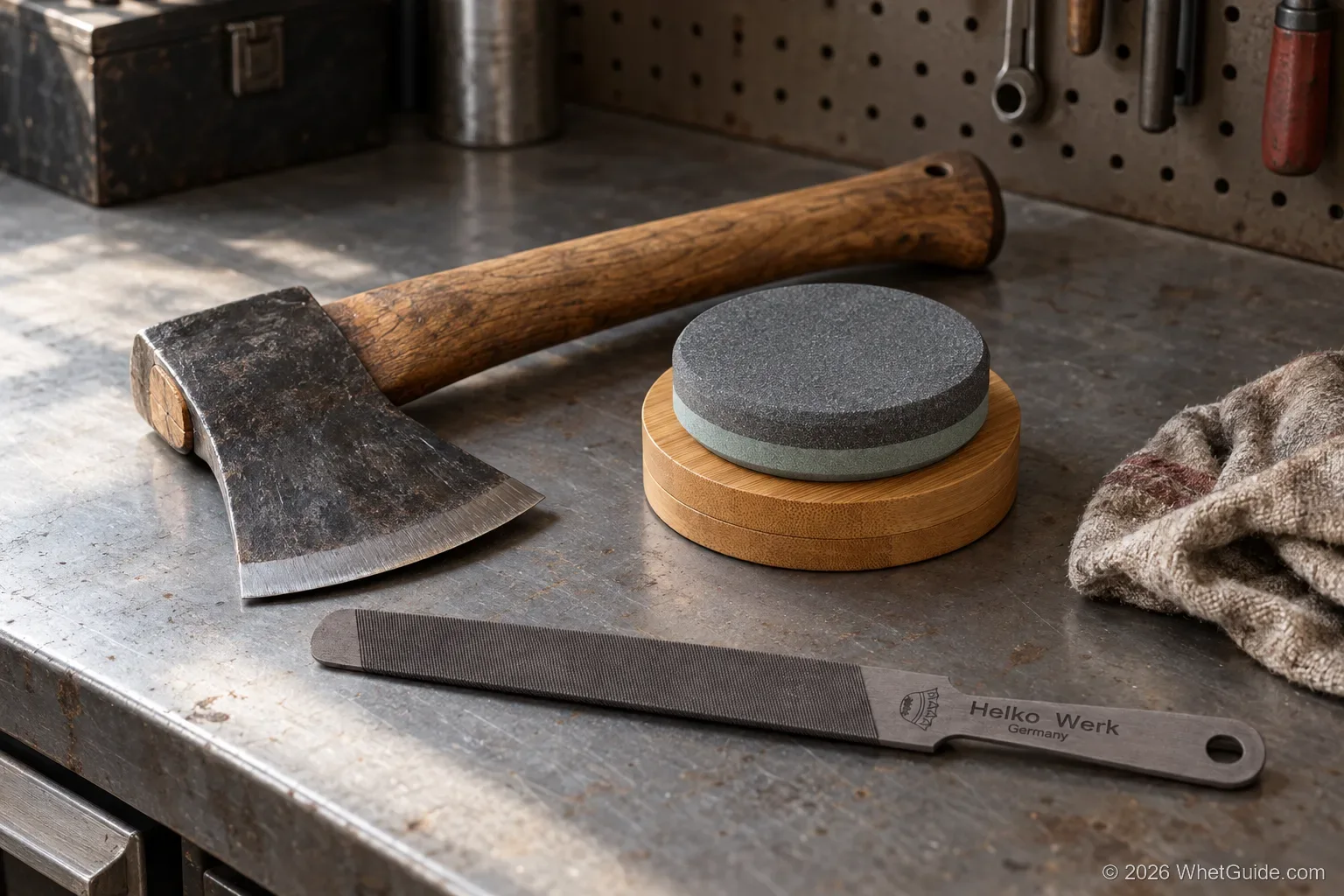 The best axe sharpener, matched to the axe you actually ownA felling axe, a camp hatchet and a splitting maul want different tools. Seven stones and files, sorted by what they do to the edge, and the grit pair that makes sense for each job.
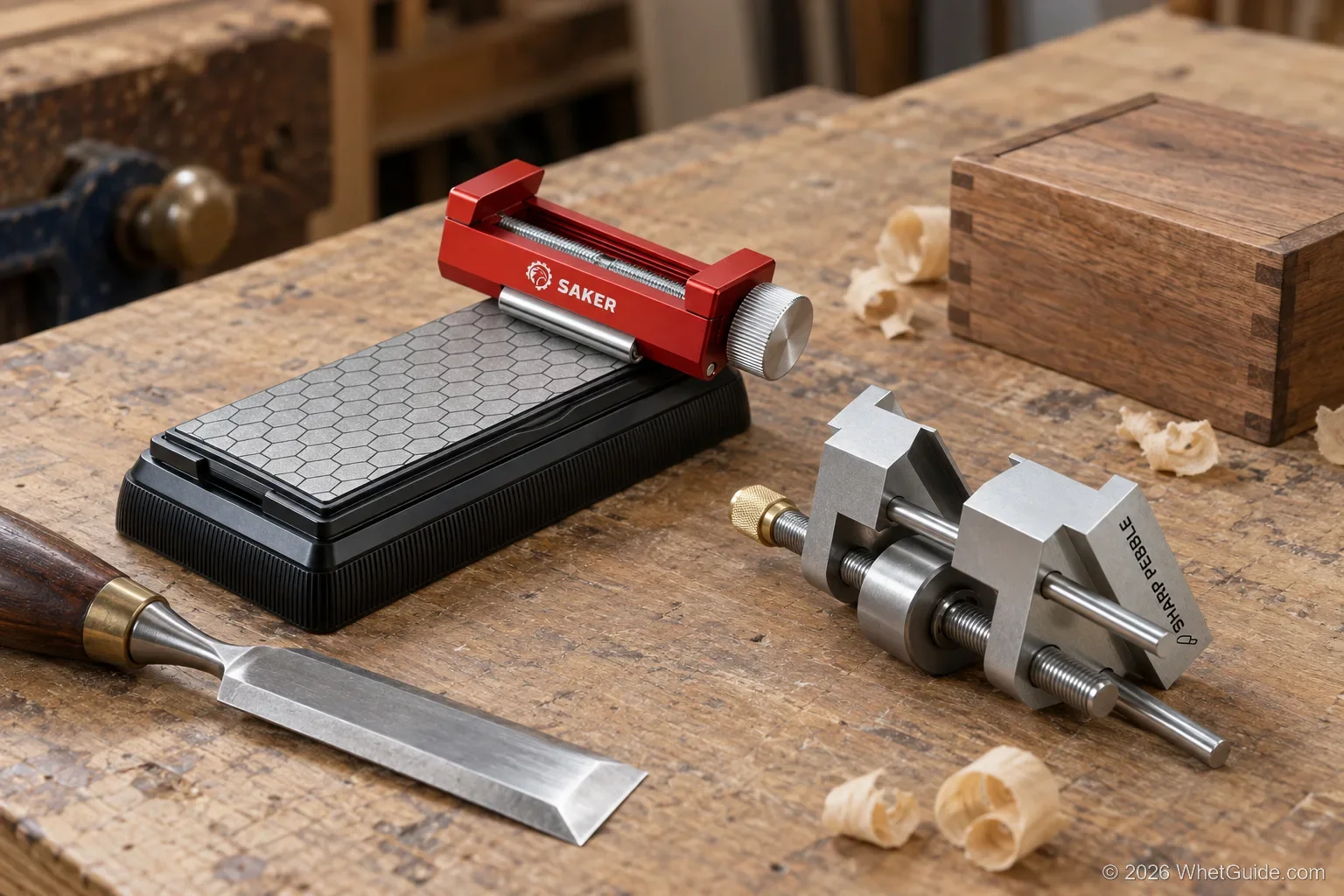 The best chisel sharpening jig, sorted by how it grips the chiselSide clamp, roller, off-center roller or a full kit: each style fits different chisels. Seven honing guides, with the widths from the listings and the stones each one needs.
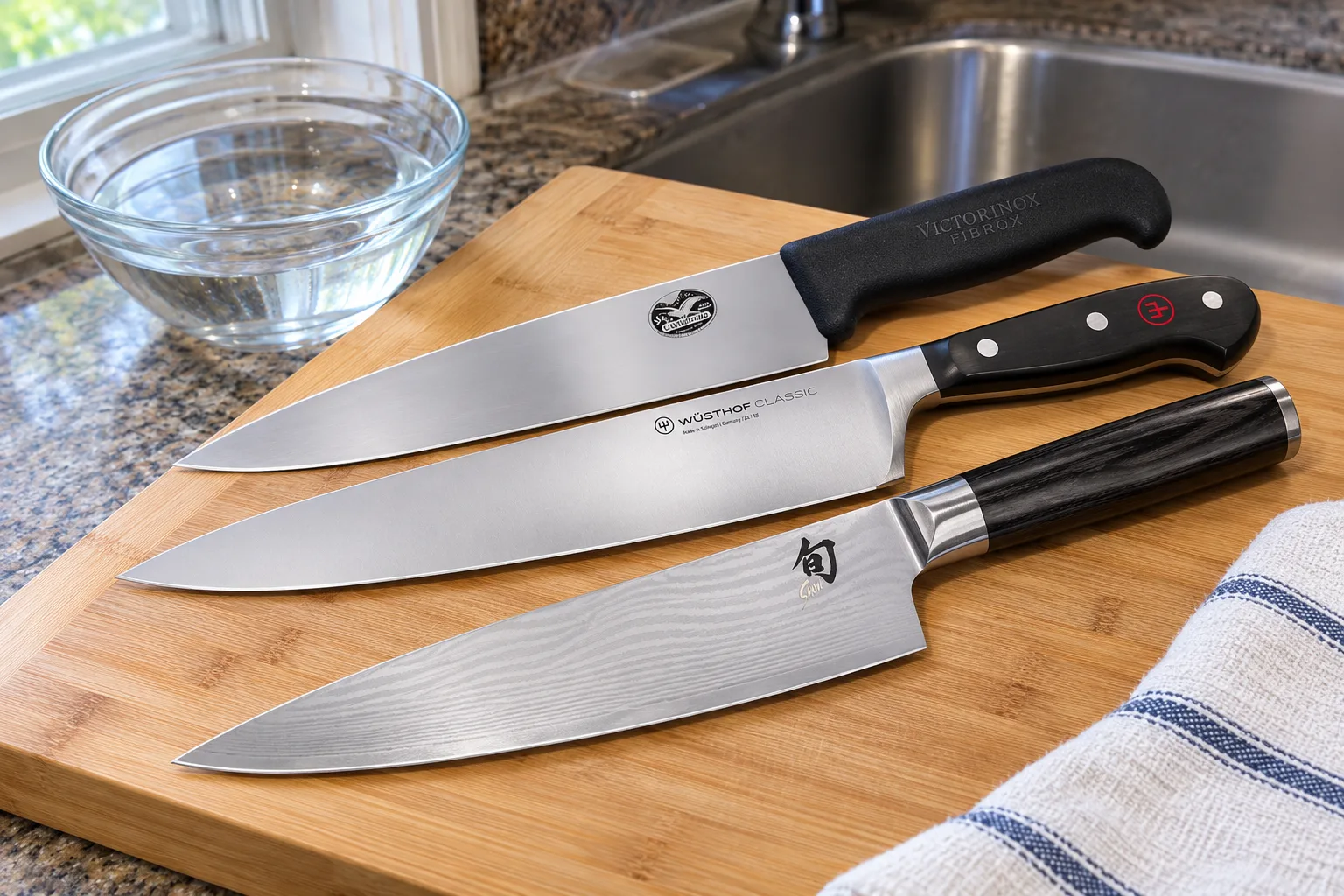 How to choose a chef's knifeMost home cooks do best with one 8 inch chef's knife that fits their hand, in a steel they will actually look after. Every choice behind that, from Japanese versus German to handle and budget, also changes how you sharpen later.
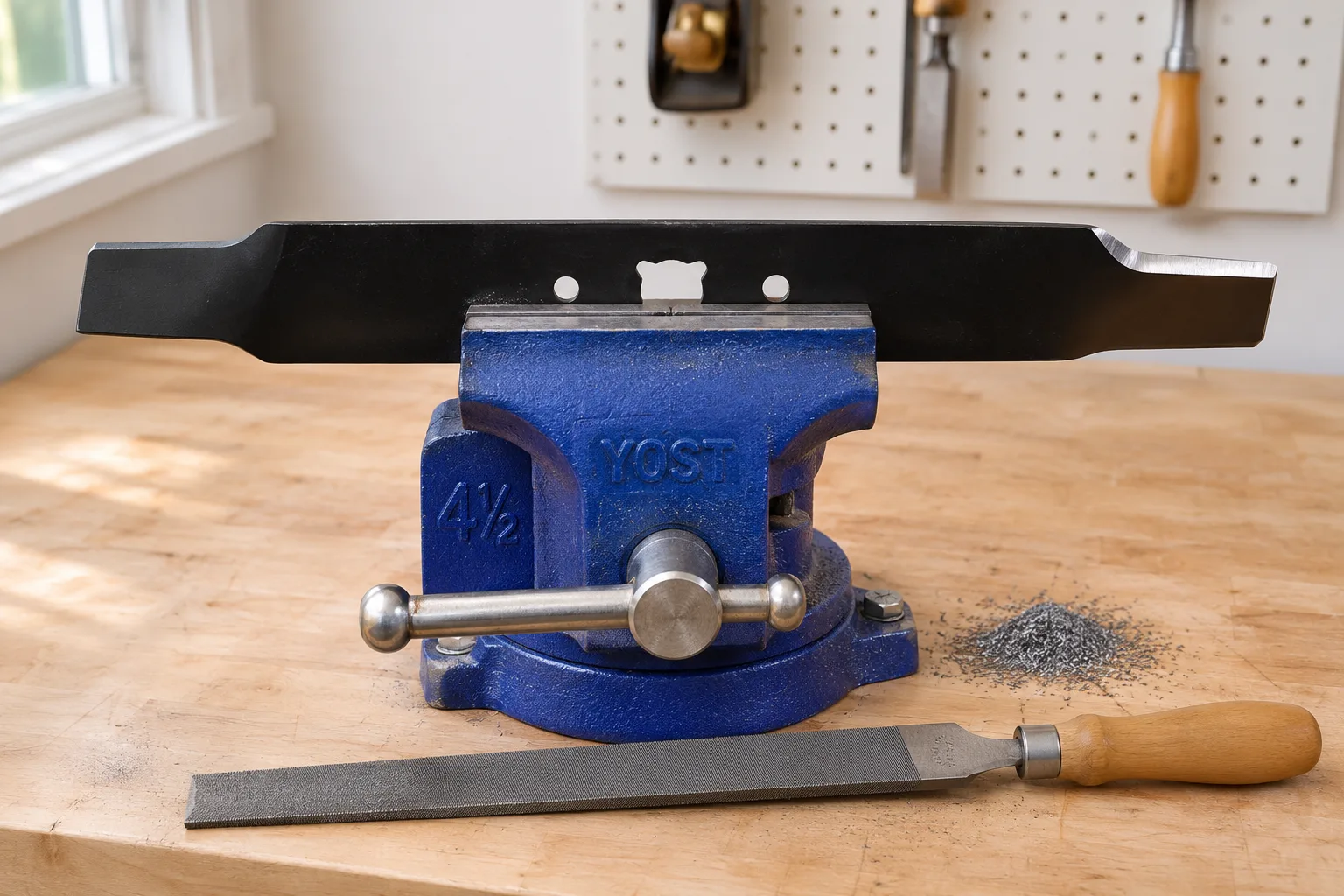 How to sharpen lawn mower blades, start to finishPull the plug, tip the mower air filter up, match the factory bevel, then balance the blade and torque the bolt to your manual. Each step comes with the reason behind it and the mistake people make.
How to sharpen a machete, step by stepClamp it, file along the factory bevel on the push stroke until a burr forms, flip, deburr, oil. That's the job. Grass wants a different angle than hardwood, and a kukri or parang changes the filing a little, so the page covers those cases and the mistakes that leave a machete dull.
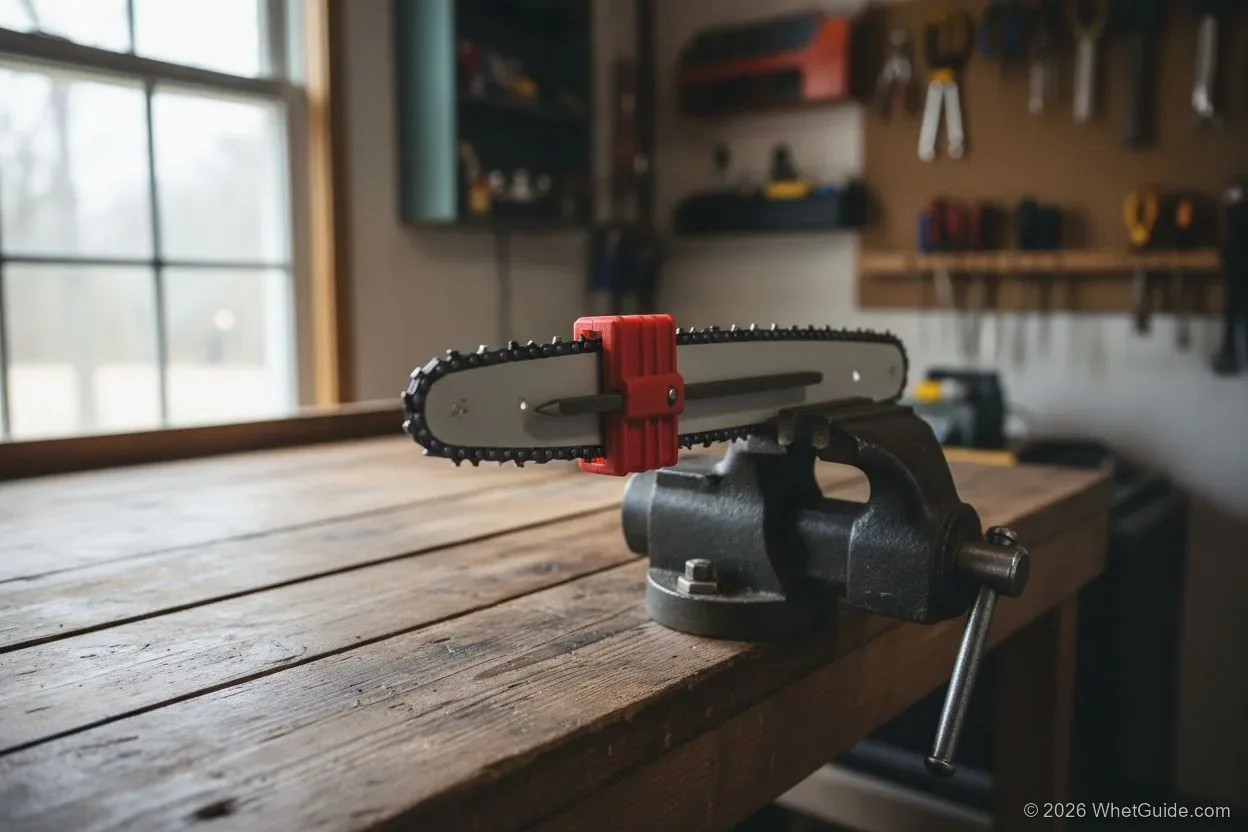 How to sharpen a chainsaw chain by handMatch the round file to the chain's pitch and file every second cutter at the angle on your guide, the same number of strokes each. Then turn the saw for the other row and check the depth gauges, the step that's easiest to forget. File sizes by pitch and the point where a chain is done are below.
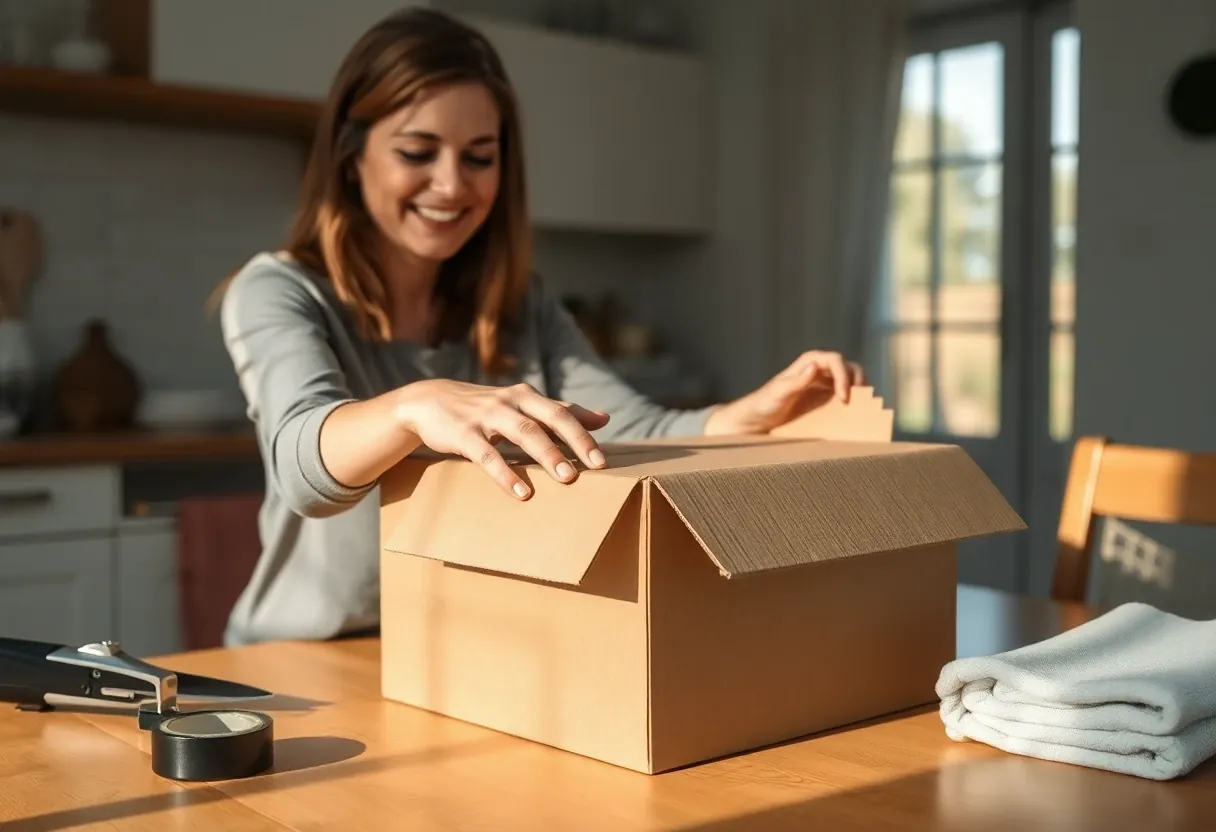 Mail-in knife sharpening: who does it, what it costs, what to shipPublished per-knife prices run from about $11 to $20, and two big brands sharpen their own knives for little more than shipping. Here is how six services compare, from their own pages.
 The best scissor sharpenersScissors aren't sharpened like knives. Each blade has one steep bevel against a flat inside face, and a knife slot ruins it. Seven sharpeners built for that, and which scissors should go to a pro instead.
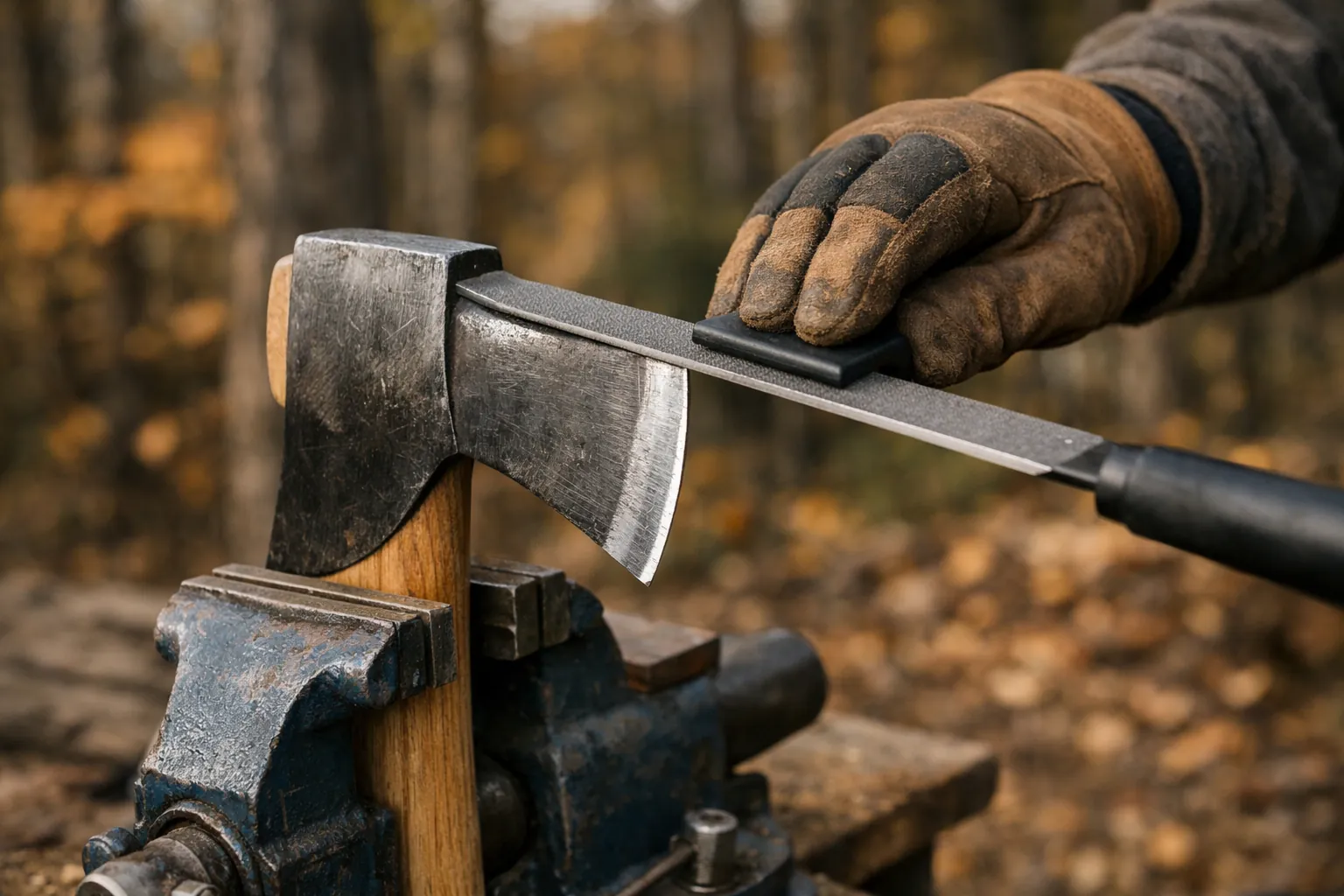 Axe sharpening angle: what the makers and the Forest Service sayCouncil Tool says about 25 degrees, slightly convex. The Forest Service gives a bevel and a steeper microbevel. Here's how to use both, with a gauge you can make from a cereal box.
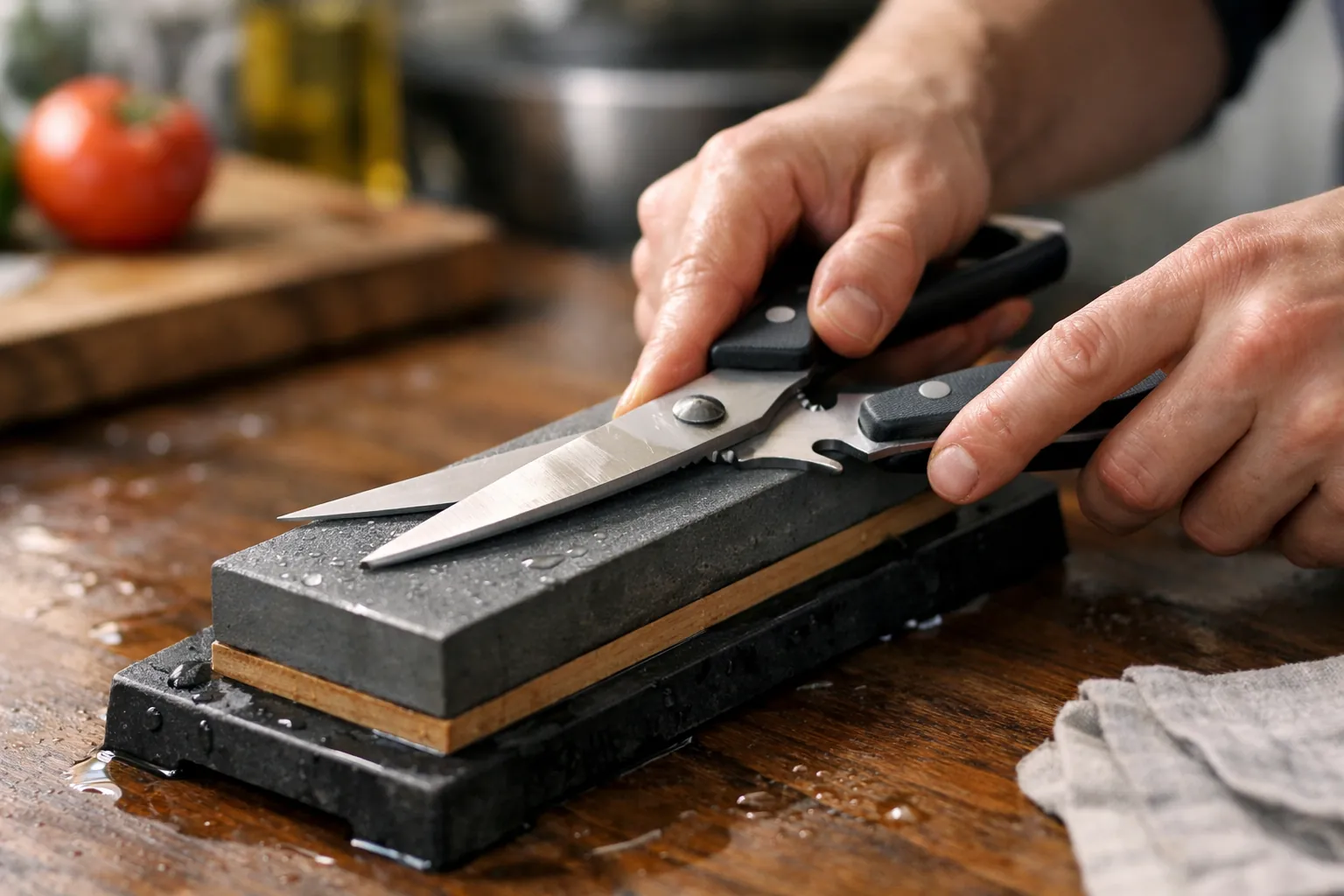 How to sharpen scissors with a whetstoneScissors cut by shearing, not slicing, so they're sharpened differently from knives: one bevel per blade, at the angle that's already there, and never on the inside face.
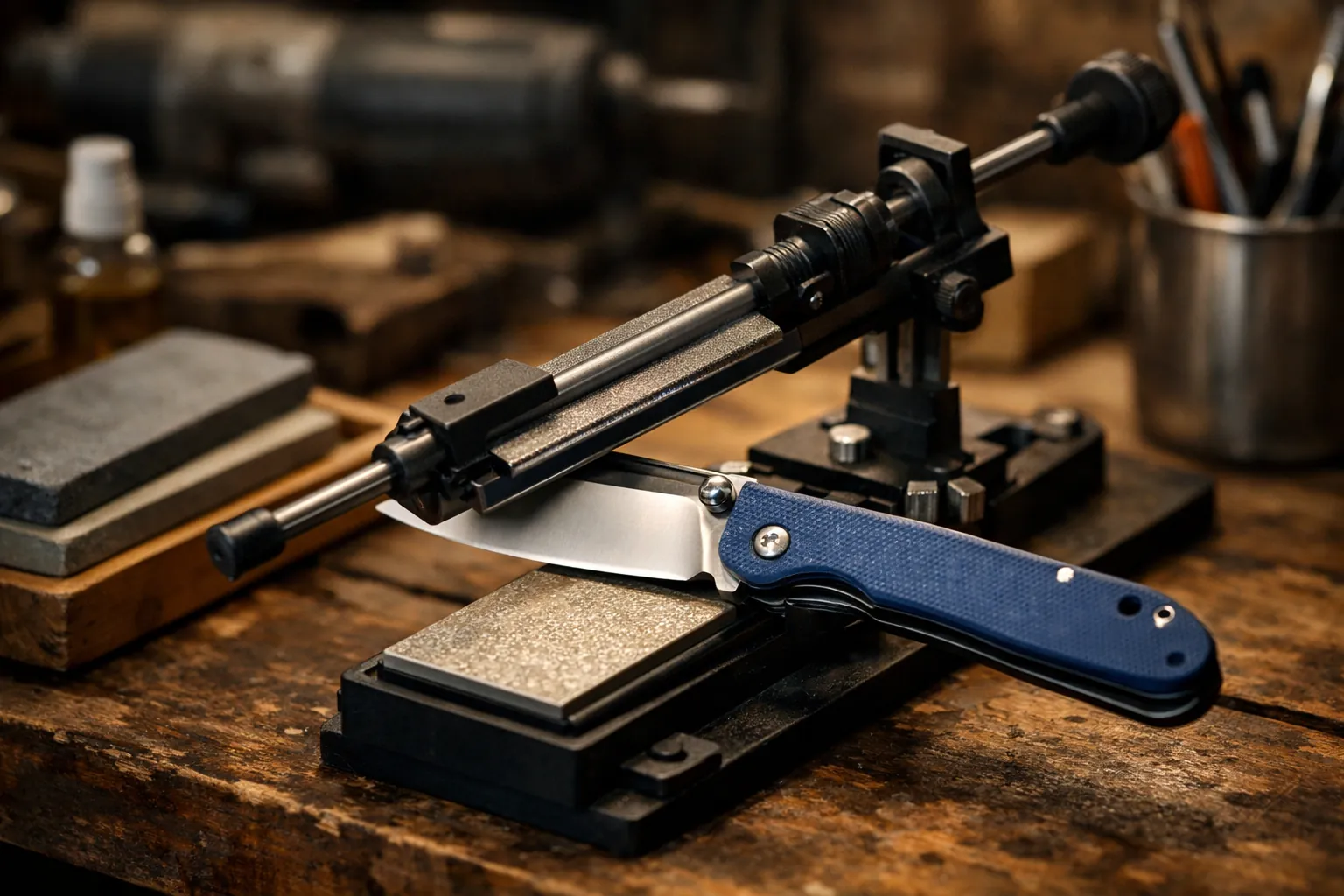 Benchmade sharpening angle: 30 to 35 degrees inclusiveBenchmade publishes a factory range for its folders and a separate figure for its kitchen knives. Its own sharpening tools use a third number. Here's how they fit together.
 How to sharpen a fillet knifeA fillet knife is thin, flexible and usually made of soft stainless steel. Those three facts decide the angle, the grit and the way you hold it on the stone.
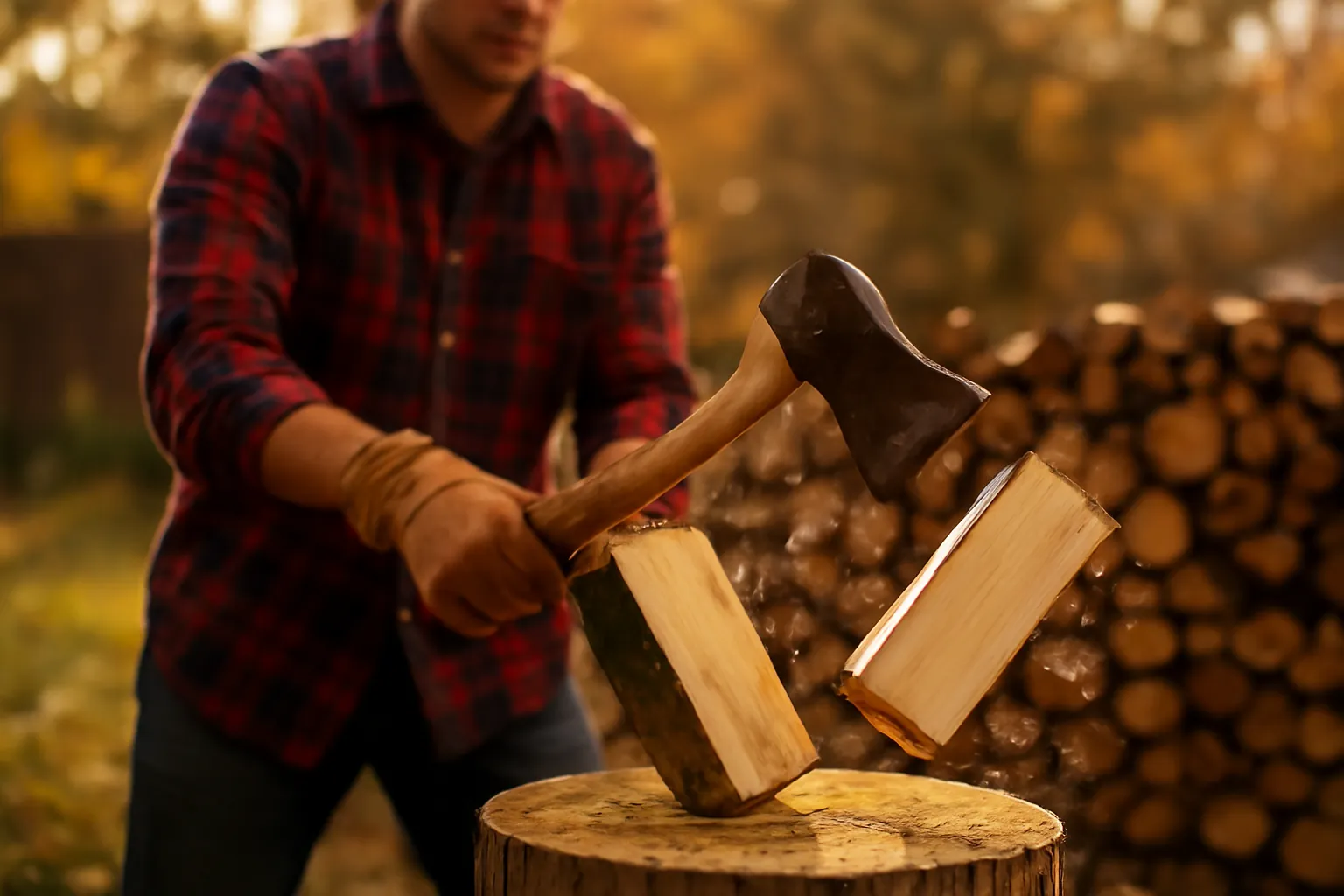 How to sharpen an axeClamp the head, file into the edge on the push stroke until a burr forms along the whole bit, then hone it in circles with a puck stone. Council Tool aims for about 25 degrees with a slight convex. Here's each step, the tools, and what to do about chips.
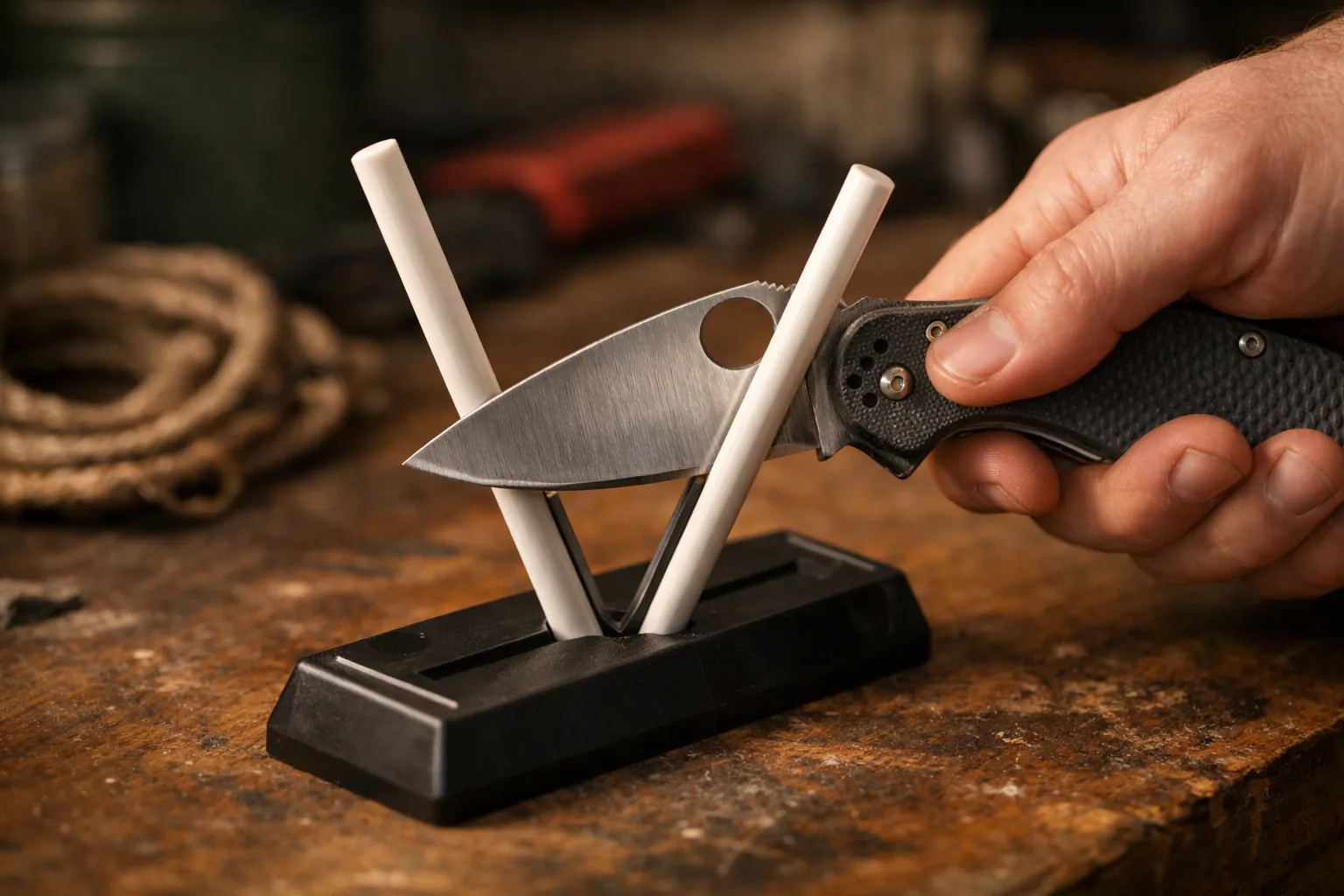 Spyderco sharpening angle: 15° per side, and how to use the Sharpmaker's 30 and 40Spyderco publishes its sharpeners' angles but not its knives'. Here's what is official, what owners report, and how to set an edge on a PM2, Delica or Tenacious.
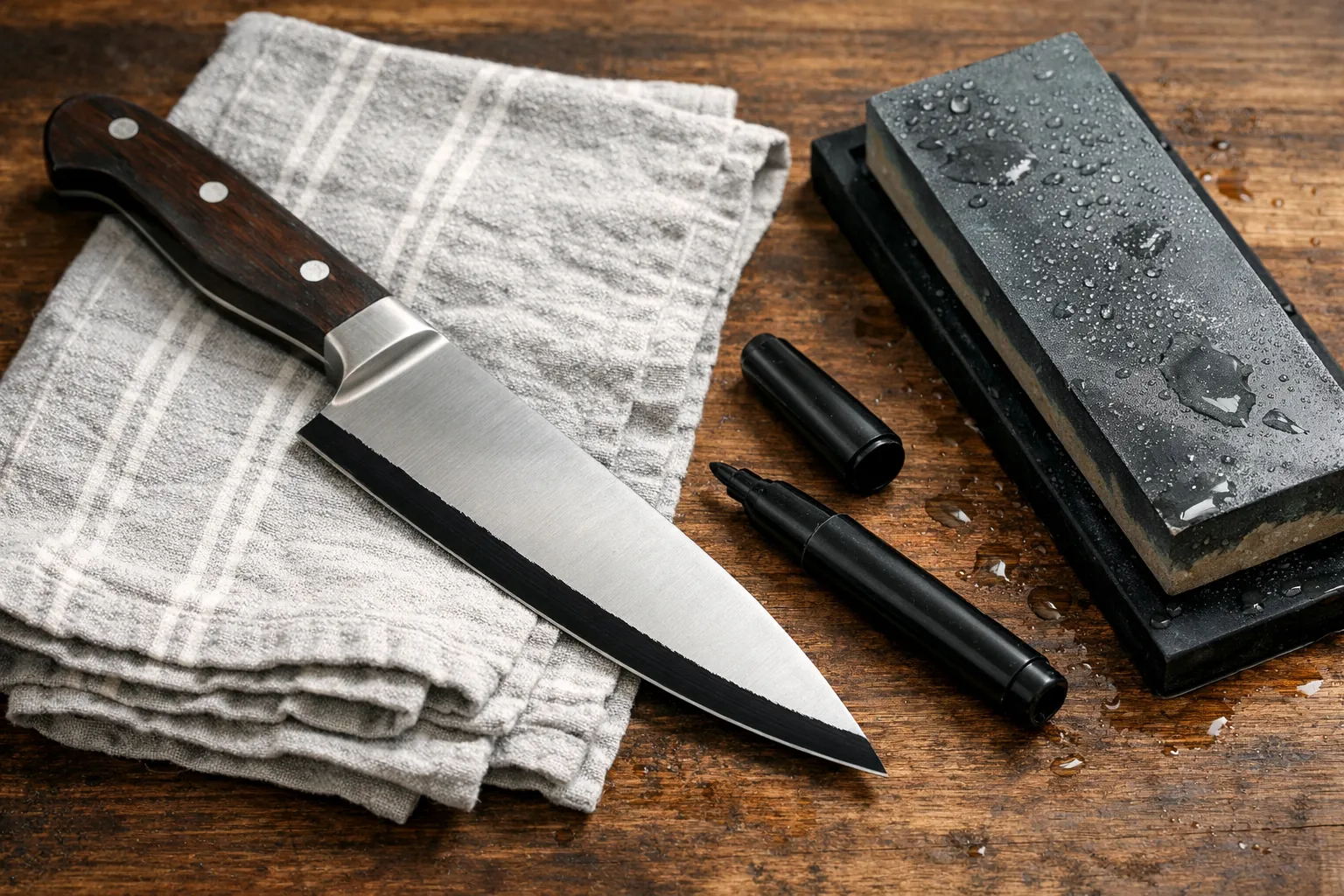 The sharpie trick for knife sharpening: what the ink is telling youColor the bevel, take one light stroke, read where the ink came off. Here's every pattern you'll see, what to change, and how to turn the result into an angle.
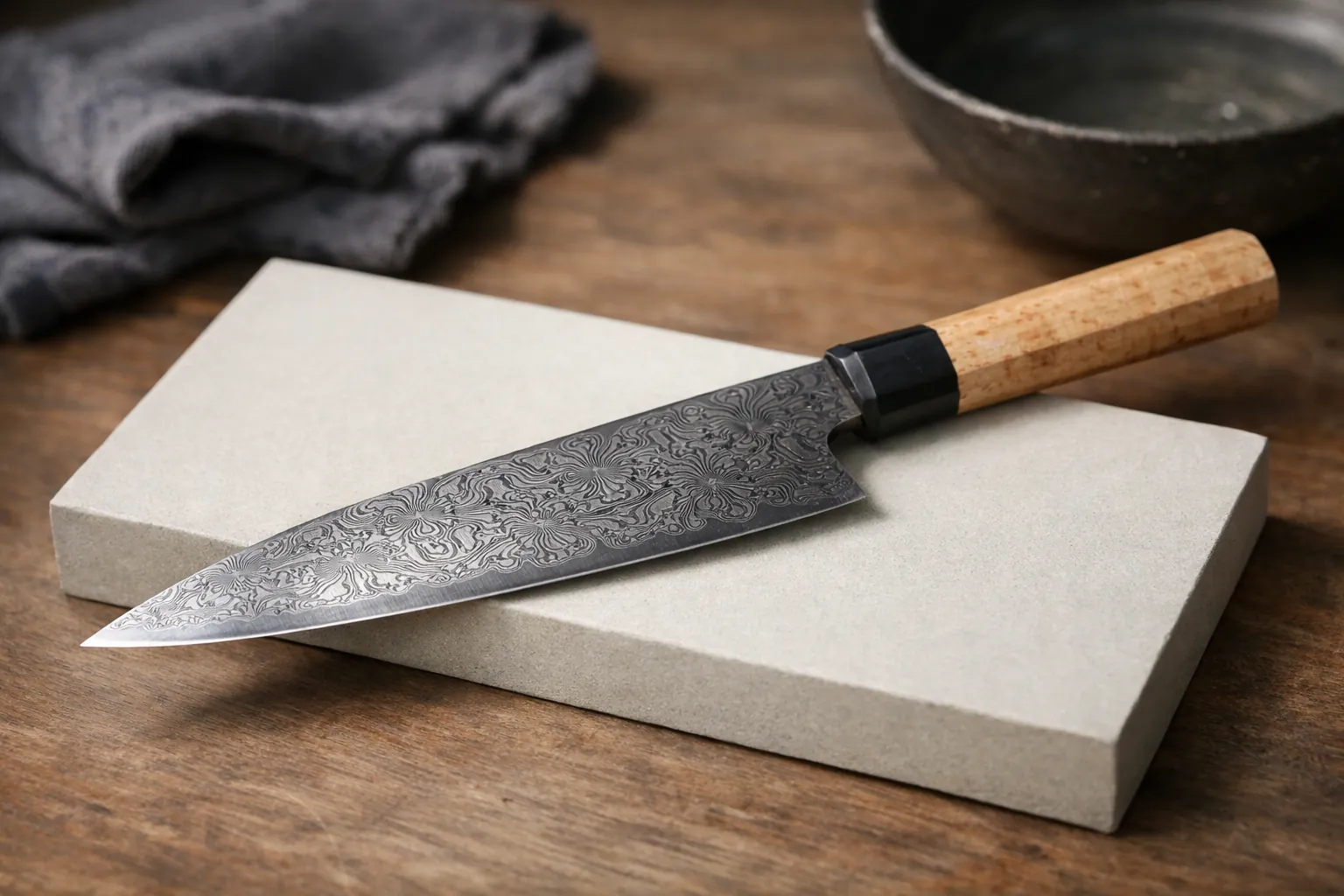 Miyabi sharpening angle: 9.5 to 12 degrees per sideMiyabi's edge is thinner than almost anything a guided sharpener can reach. Here's the maker's figure, the steel in each line, how low the spine really sits, and the tools that get there.
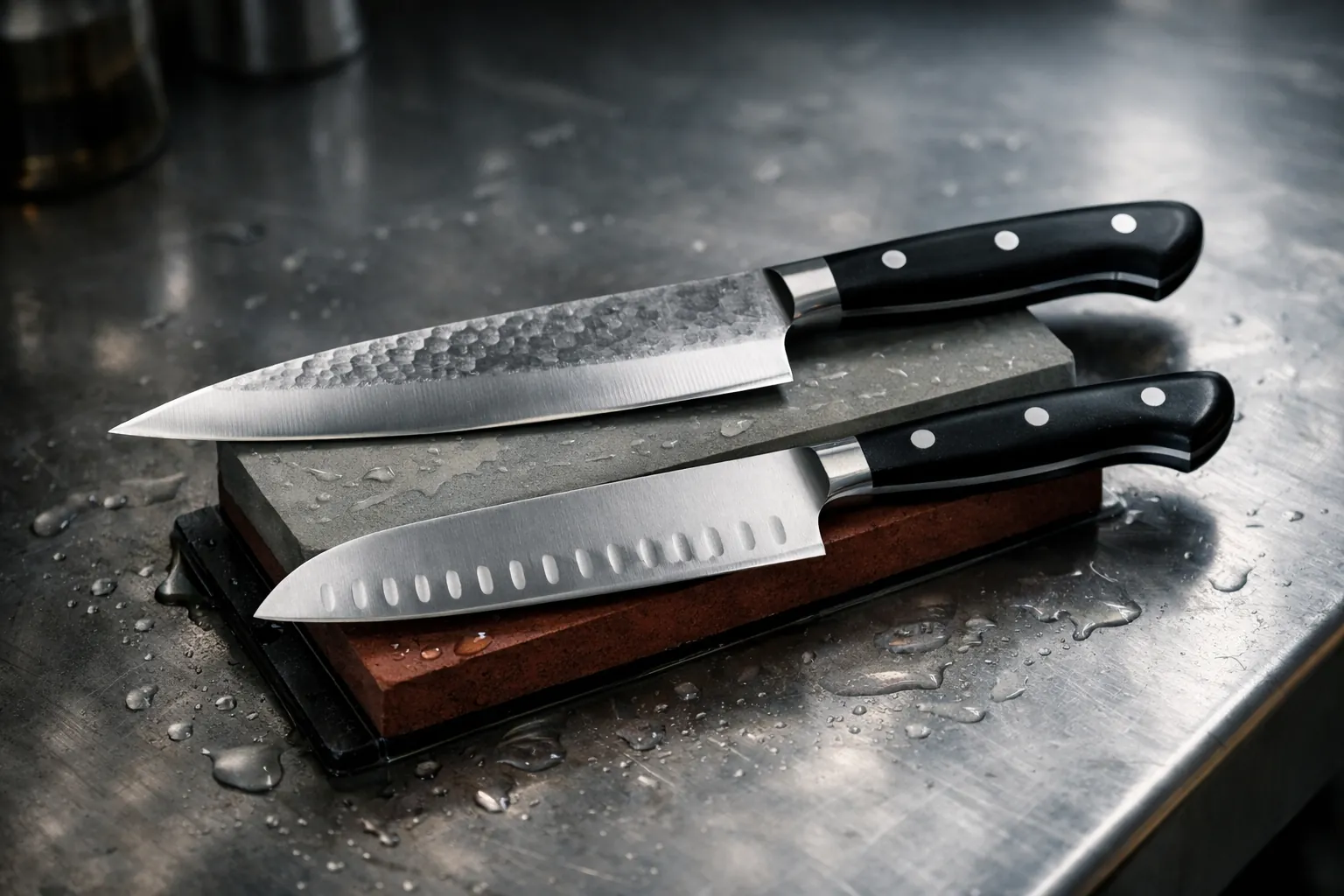 Zwilling and Henckels sharpening angle: 15° for most, 9–12° for santokusZwilling's sharpening guide gives two numbers, and one of its own magazine articles gives different ones. Here's which to trust, line by line, and how Zwilling's pull-through maps to them.
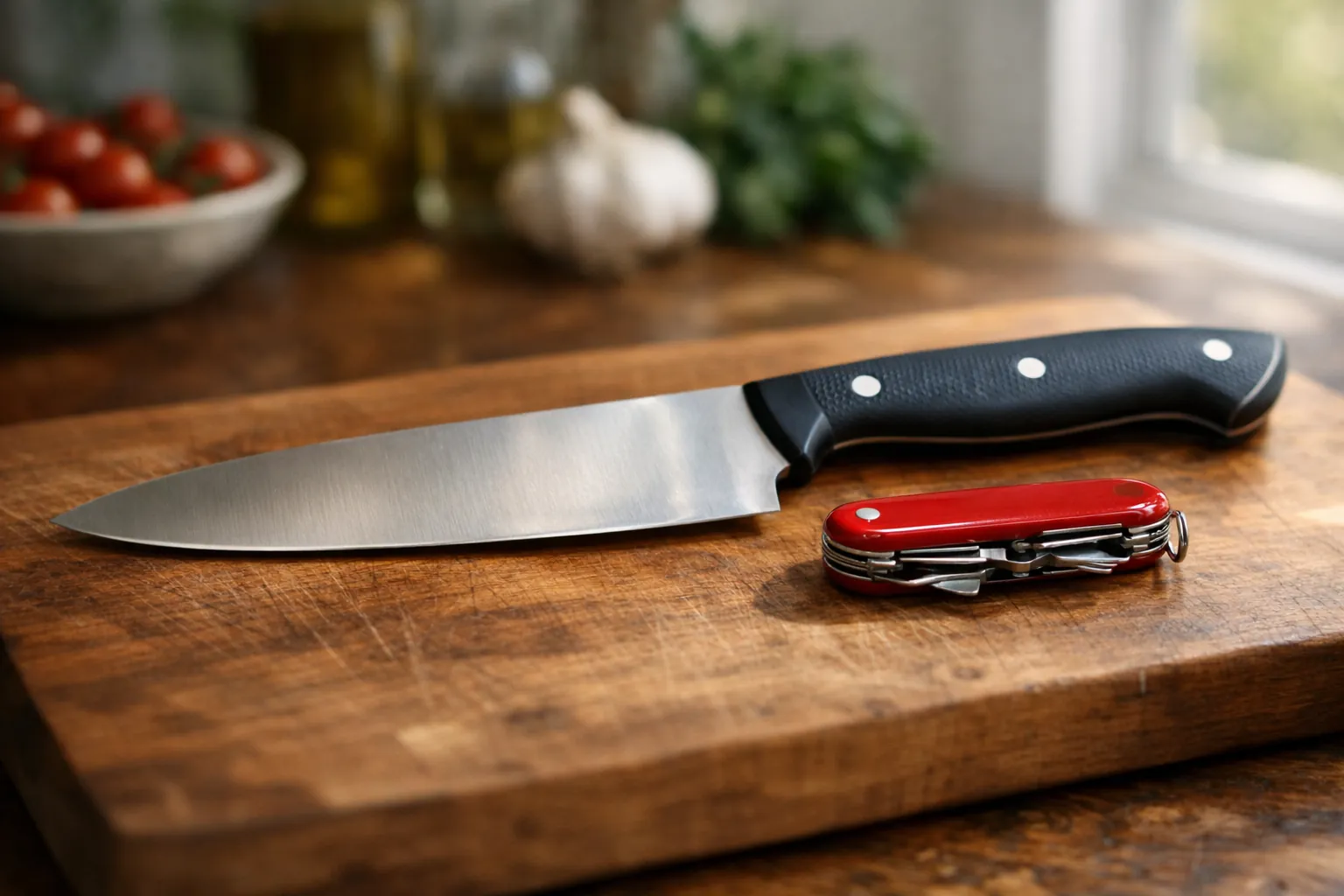 Victorinox sharpening angle: 15 to 20 degrees per sideVictorinox gives its angle as a total, which trips people up. Here's the conversion, what it means for Fibrox kitchen knives and Swiss Army pocket knives, and cheap tools that land on it.
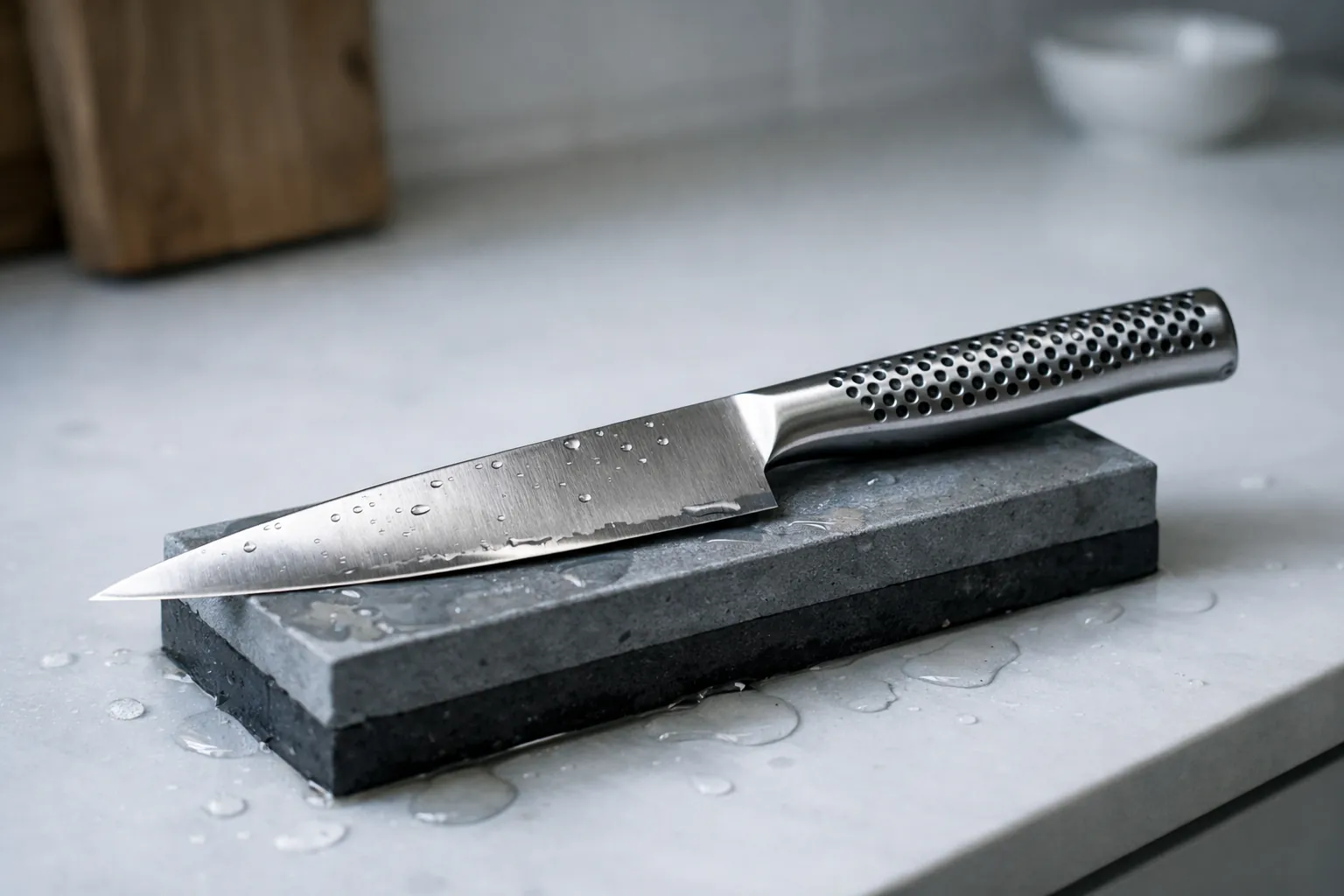 Global knife sharpening angle: 10 to 15 degreesGlobal gives a range, not a single number. Here's how to choose within it, why Global warns against ordinary steels, and which sharpeners can reach the low end.
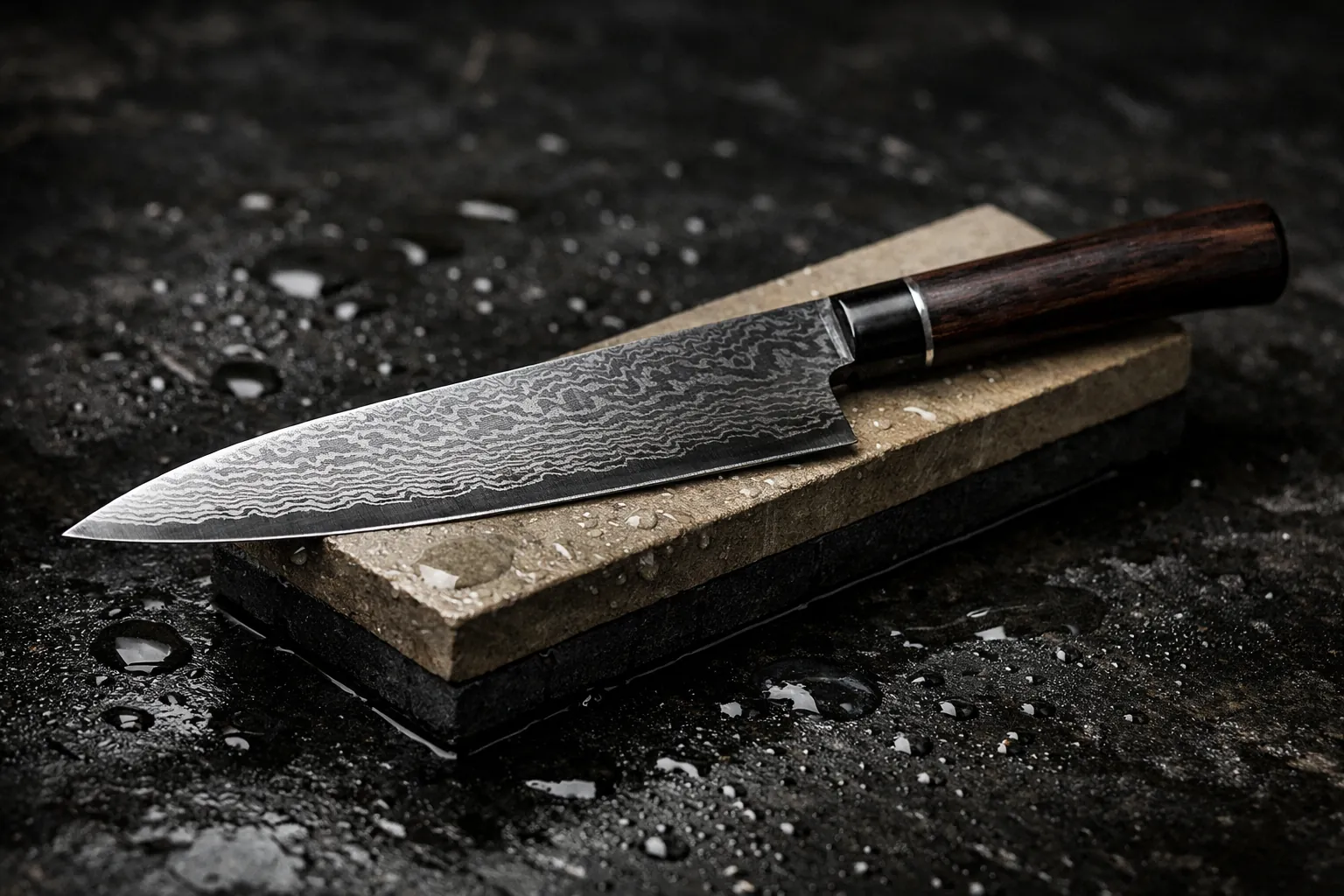 Shun sharpening angle: 16° per side, straight from ShunShun's FAQ settles the 15 versus 16 argument. Here's the quote, the one Shun knife that's different, how high to hold the spine, and which tools can hold 16.
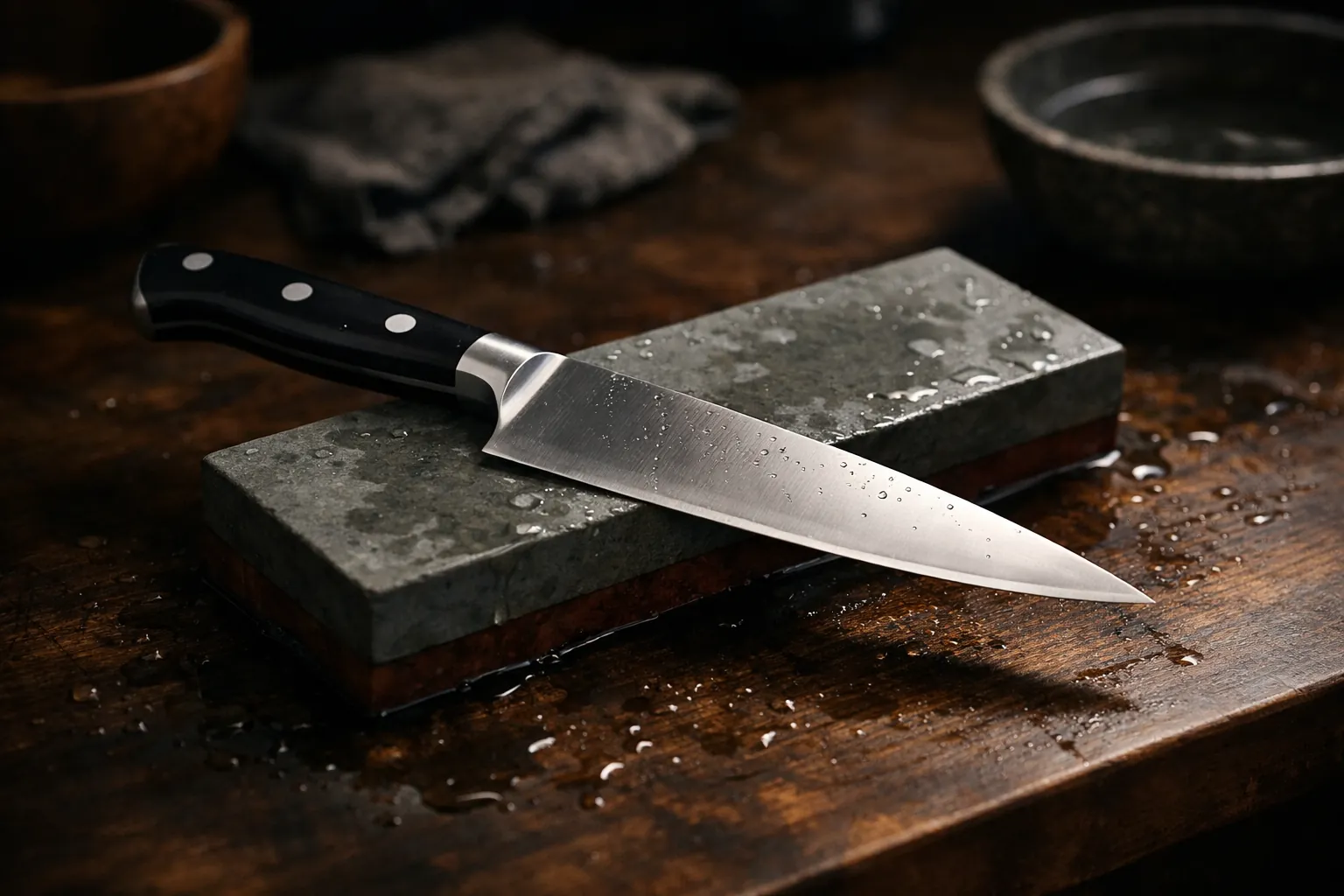 Wüsthof sharpening angle: 14° for standard blades, 10° for santokusWhat Wüsthof itself publishes, where its own pages disagree, how high to hold the spine for a Classic chef's knife, and which sharpeners land on the number.
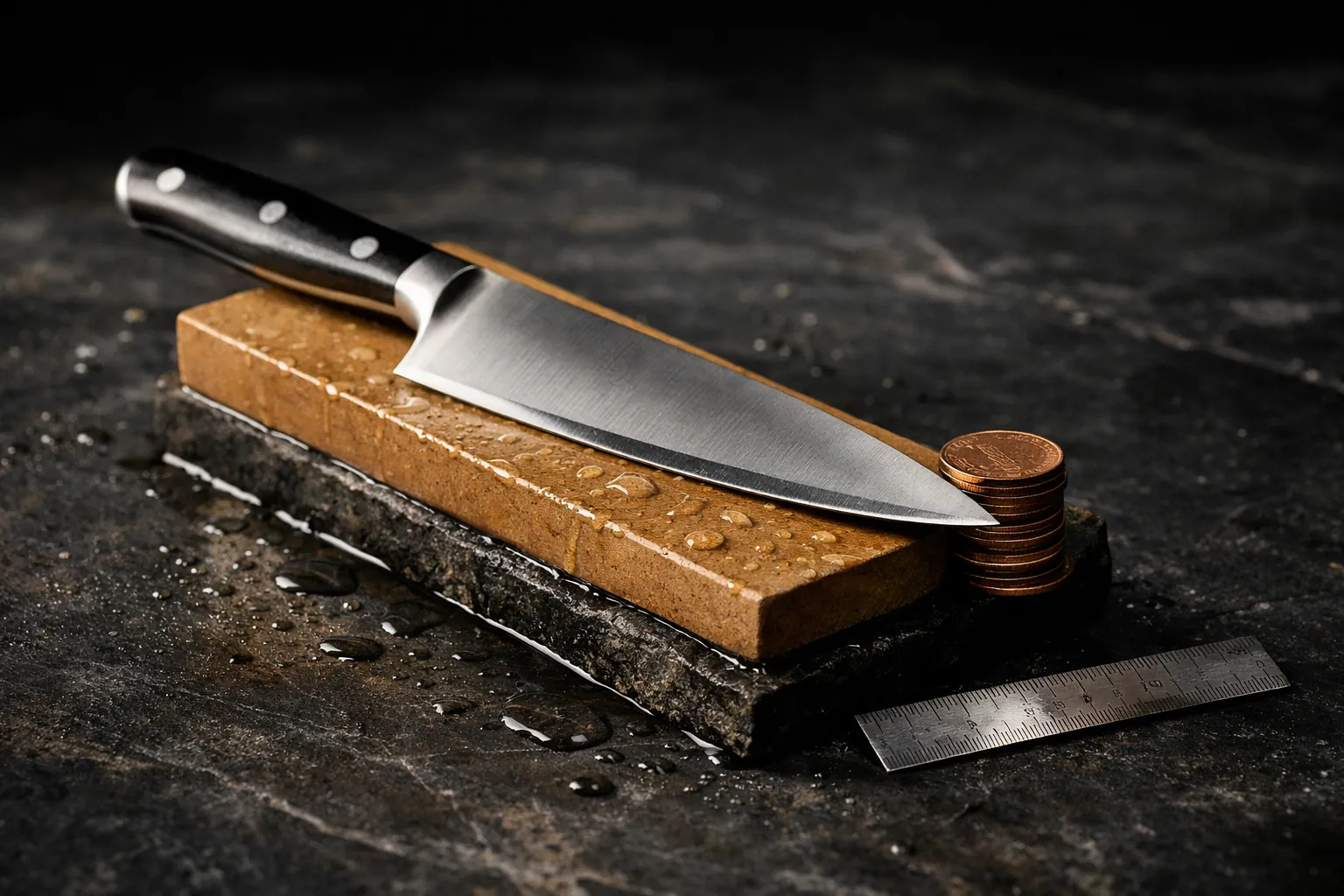 Knife sharpening angle calculatorEnter your angle and blade width and get the spine height to hold on the stone, in millimeters, inches and coins. Brand presets load the maker's own number.
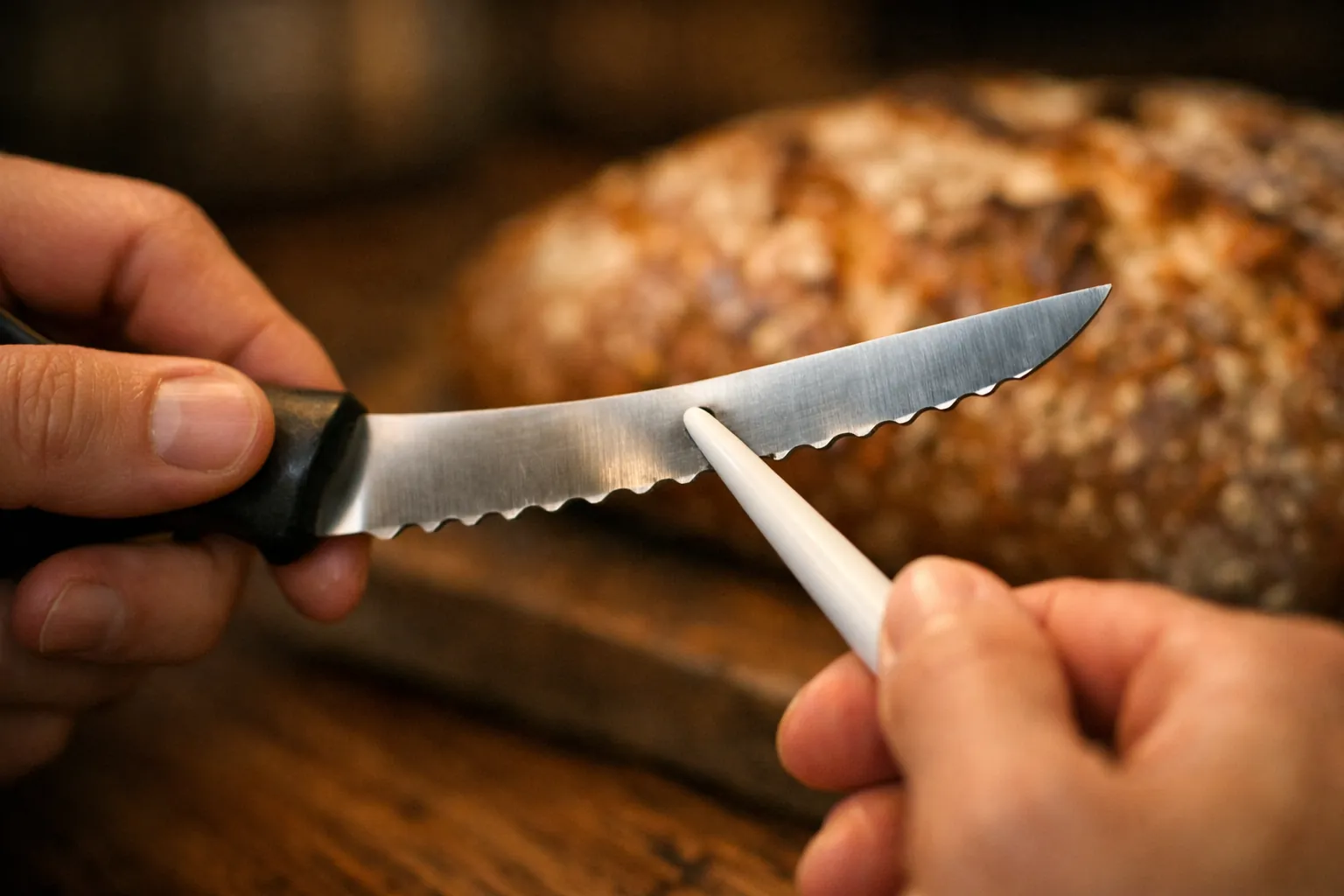 How to sharpen a serrated knifeSerrated knives stay sharp for a long time, but they do get dull. The method is simple: sharpen each scallop on the beveled side with a tapered rod, then remove the burr from the flat side. Here's how, plus the easier options.
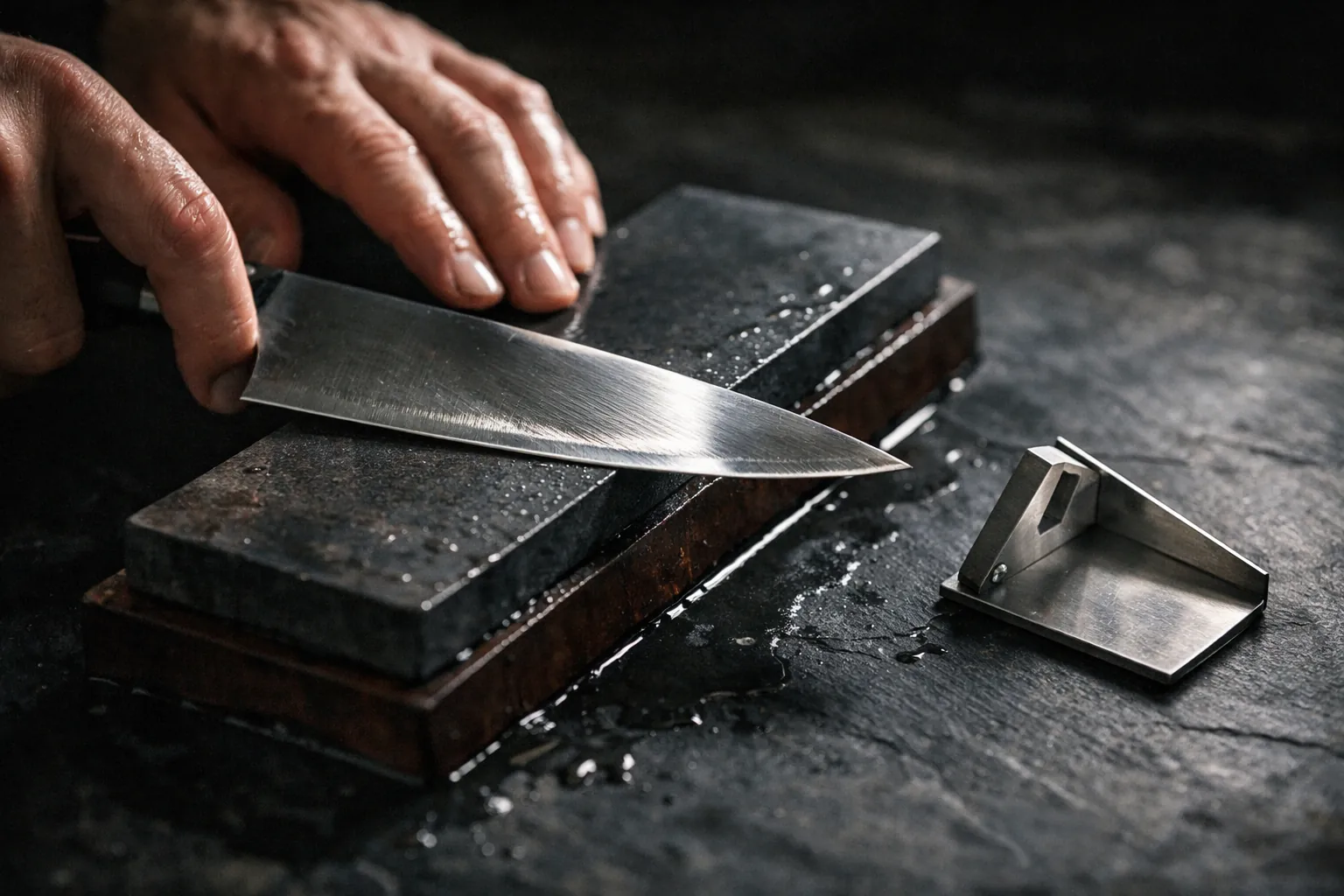 Knife sharpening angle chart: the right angle for every knifeCommon sharpening angles for Japanese, German, pocket, hunting and fillet knives, what "per side" really means, and a spine-height table that helps you hold the angle freehand.